
When choosing floor tiles, especially for bathrooms, kitchens or outdoor areas, slip resistance is an important factor. Different tiles offer different levels of grip depending on their finish, texture and intended use. By understanding slip resistance ratings, you can choose tiles that are both safe and stylish.
 What is Slip Resistance?
 What is Slip Resistance?
Slip resistance measures how much grip a tile provides underfoot. Smooth tiles can become slippery when wet, whereas textured surfaces offer better traction. As a result, choosing the right finish can improve safety throughout your home.
Several factors affect slip resistance, including:
• Water on the surface
• Dirt or cleaning products
• Footwear
• Indoor or outdoor use
• The finish of the tile
In general, matt and textured tiles provide more grip than polished tiles.
What Are R Ratings?
Manufacturers test most tiles and assign an R Rating to show their level of slip resistance. The higher the rating, the greater the grip.
| Rating | Recommended Use |
|---|---|
| R9 | Dry indoor areas |
| R10 | Kitchens, hallways, and general home use |
| R11 | Wetrooms, outdoor areas, and commercial spaces |
| R12 to R13 | Industrial or very high grip areas |
R Ratings are commonly used across Europe and are particularly useful when comparing tiles for different spaces.
What is a PTV Rating?
Another important measurement is the PTV Rating, which stands for Pendulum Test Value. This test measures how slippery a surface is when walked on.
Unlike R Ratings, PTV Ratings focus more on real life slip risk, especially in wet conditions.
| PTV Rating | Slip Risk |
|---|---|
| 0 to 24 | High slip risk |
| 25 to 35 | Moderate slip risk |
| 36+ | Low slip risk |
For most bathrooms, kitchens, and busy areas, a PTV rating of 36 or higher is usually recommended.
R Ratings vs PTV Ratings
Both ratings measure slip resistance, but they are tested differently.
• R Ratings are based on grip using an inclined ramp test
• PTV Ratings are based on how slippery the surface feels underfoot
Many tile manufacturers now provide both ratings to help customers choose the right tile for their space.
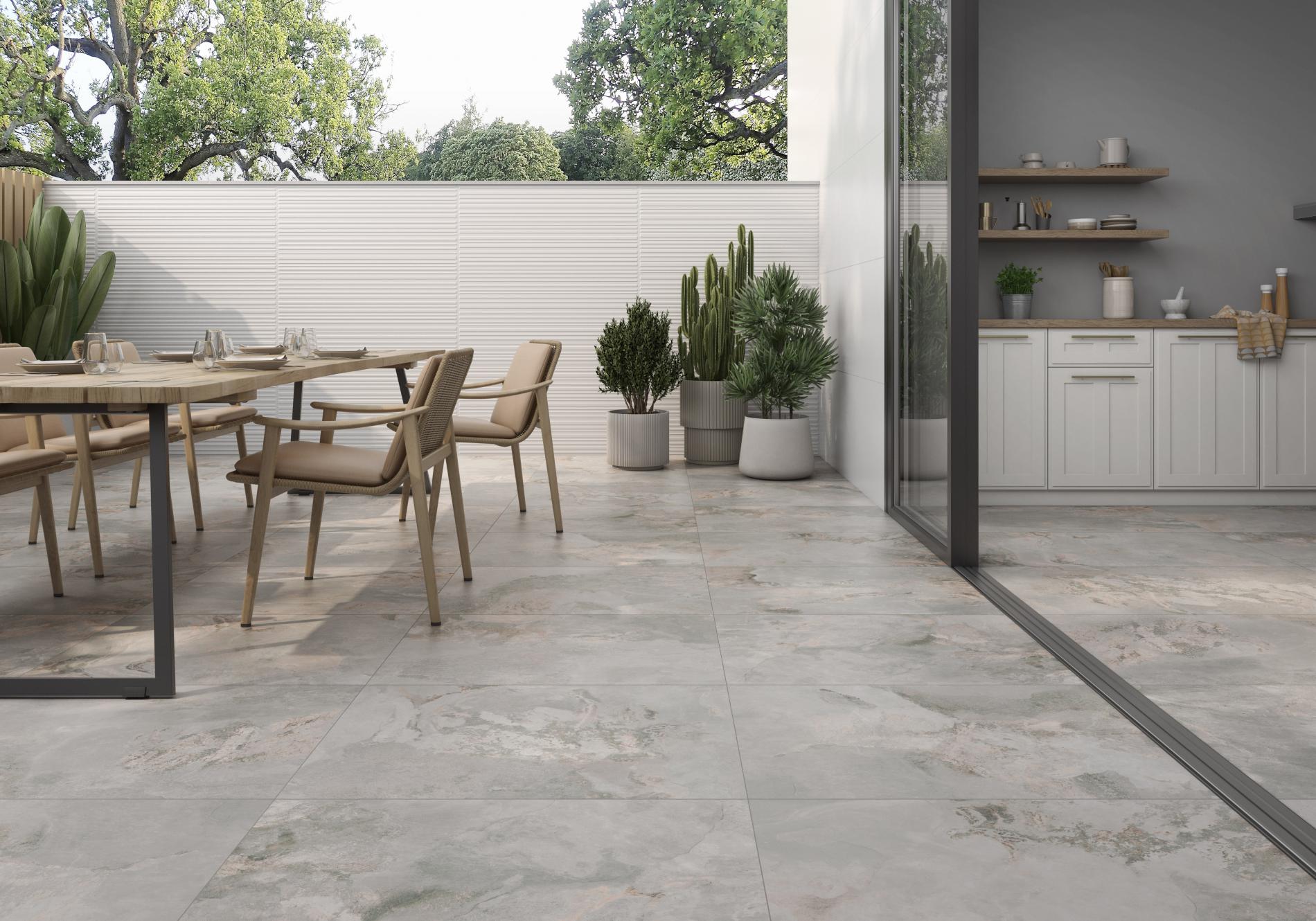
Which Tile Should I Choose?
For most homes:
• R9 or R10 tiles are suitable for normal indoor spaces
• R11 tiles are ideal for wetrooms and outdoor areas
• PTV 36+ is recommended where extra safety is needed
• Matt and textured finishes usually offer better grip than polished tiles
Modern porcelain tiles can now provide excellent slip resistance while still maintaining a smooth and stylish finish.
Are Polished Tiles Slippery?
Polished tiles can become slippery when wet, especially in bathrooms or outdoor areas. While they create a luxurious look, they may not always be the best option for high moisture spaces.
For areas exposed to water regularly, matt or textured tiles are usually the safer choice.
Slip Resistance for Bathrooms and Wetrooms
Bathrooms and wetrooms require extra attention because floors are frequently wet.
For these areas, it is generally recommended to choose:
• Matt porcelain tiles
• Textured finishes
• R11 rated tiles
• PTV 36+ tiles for improved safety
This helps create a safer and more practical surface while still achieving a modern look.
At City Tiles & Bathrooms, we stock a huge range of porcelain and ceramic tiles suitable for bathrooms, kitchens, wetrooms, and outdoor areas, with a variety of slip resistance ratings to suit every project.